
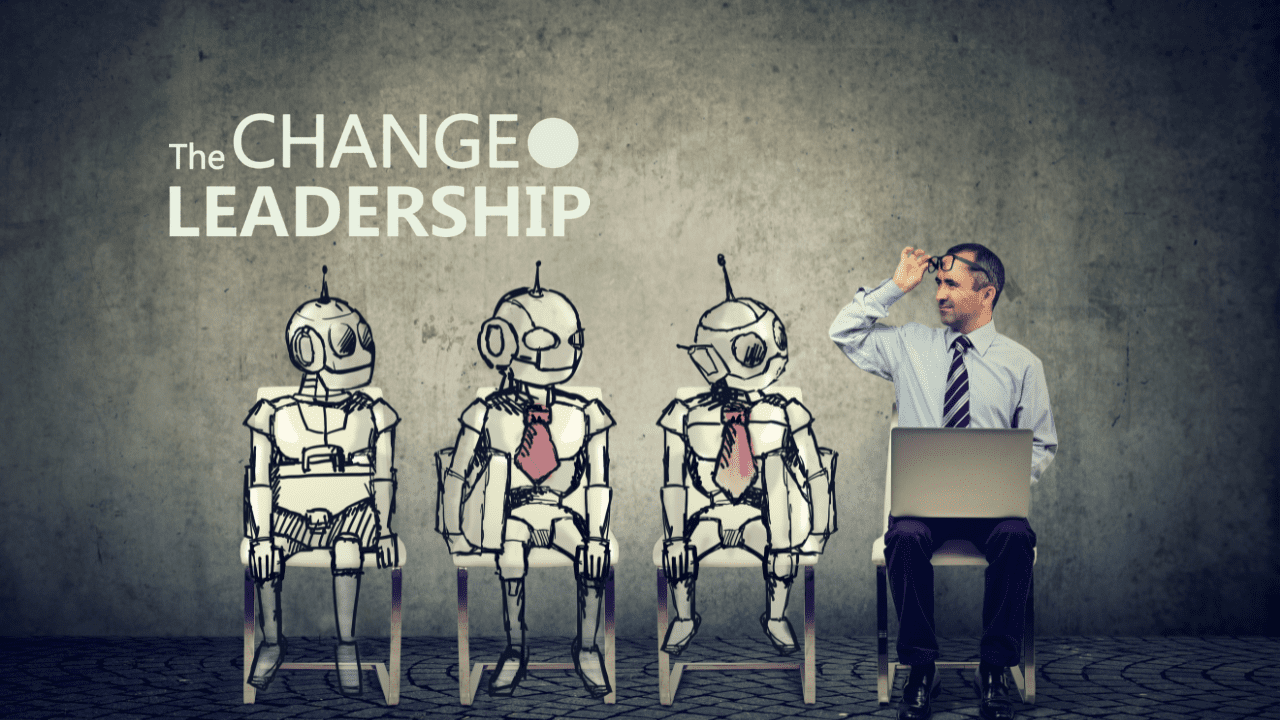
Artificial Intelligence is rapidly becoming one of the most powerful transformation forces in business. It promises faster decisions, greater productivity, improved customer experiences, and new ways of creating value. Yet, despite the enthusiasm, AI adoption is not simply a matter of deploying tools, automating processes, or asking employees to “use ChatGPT more.” It is a leadership challenge.
AI is not a silver bullet. It will not fix broken processes, unclear strategies, poor data quality, or weak organizational cultures. In fact, when introduced without direction, governance, and human oversight, AI can amplify existing problems. Biased data can lead to biased decisions. Poorly defined use cases can create noise instead of efficiency. Lack of transparency can damage trust. And unmanaged adoption can expose organizations to security, privacy, legal, and ethical risks.
This is why leadership matters more than ever. Successful AI adoption starts with a clear question: what business problem are we trying to solve? Leaders must avoid adopting AI only because it is fashionable. Instead, they need to connect AI initiatives to measurable outcomes, such as improving operational efficiency, reducing repetitive work, enhancing risk detection, accelerating research, or supporting better decision-making.
At the same time, leaders must create the right environment for responsible experimentation. Employees need training, safe tools, clear policies, and permission to learn. Fear-based adoption rarely works. If people believe AI is being introduced only to replace them, resistance will follow. If they understand that AI can augment their work and free them to focus on higher-value activities, adoption becomes more natural and sustainable.
Responsible AI leadership also requires governance. Organizations need rules around data usage, human validation, accountability, security, and acceptable use. AI-generated outputs should not be accepted blindly, especially in critical areas such as finance, healthcare, cybersecurity, legal work, or public services. Human judgment remains essential.
The organizations that will benefit most from AI will not be those that simply buy the most advanced tools. They will be the ones whose leaders combine technological ambition with strategic clarity, ethical responsibility, and human-centered change management.
AI adoption is ultimately not about replacing leadership. It is about revealing the quality of it.
Dragos Ionica
Offensive Capability Lead, Deloitte Romania